
For thousands of Canadians, the commute to work is a charter flight. Mines, oil sands sites, pipelines and remote construction projects rely on fly-in fly-out crews who live in camp for one to three weeks and then go home for a matching stretch. The pay can be excellent and the time off generous, but the lifestyle surprises almost everyone in their first year. Here is what people who have done it for a long time wish they had known on day one.
Understand the rotation before you sign
Common schedules include 14 days in and 14 out, 21 in and 7 out, or shorter patterns such as 10 and 4. Shifts are usually 12 hours, often with a switch between days and nights partway through a rotation. Before accepting an offer, ask:
- How many hours a day, and is there a day-to-night switch?
- Are travel days paid, and where is the pickup point?
- Is it a dry camp, meaning no alcohol on site?
- What are the rooms like: private, shared, with a private bathroom?
- What internet access is available in the rooms?
A 14/14 rotation with private rooms and good Wi-Fi feels very different from 21/7 in a shared trailer.
Pack for the camp, not the job
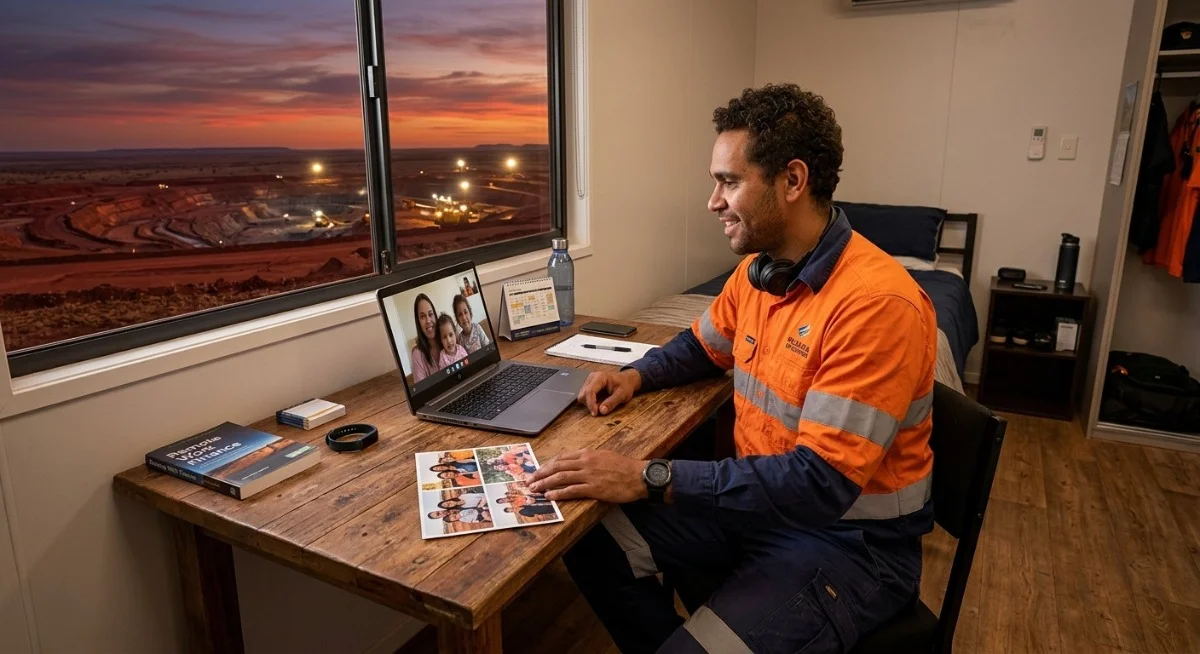
The company supplies safety gear, but comfort is on you. Experienced workers bring a good pillow, a sleep mask and earplugs, shower shoes, a small kettle if allowed, comfortable lounge clothes and a power bar. A short list of personal items matters too: photos from home, a book or two, a portable speaker with headphones for quiet hours. In summer, sites in the far north can have very long days, so a mask is not optional if you work nights.
Watch the buffet
Camp kitchens serve generous food around the clock: hot breakfasts, dessert bars, snack rooms stocked with chips and pop. Many first-year workers gain several kilograms in a few months. The fix is simple but needs a plan:
- Build your plate around protein and vegetables first.
- Pick one treat a day rather than grazing every time you walk past the snack room.
- Drink water instead of sugary drinks during long shifts.
- Pack your lunch from the salad bar rather than the dessert table.
Use the gym as an anchor
Most camps have a fitness room, and the people who use it regularly tend to cope best. A short workout right after shift helps you transition out of work mode, improves sleep and gives the day a shape beyond work, eat and sleep. Even 20 minutes on a bike or with dumbbells counts.
Respect the safety culture
Remote sites run on strict rules: pre-shift hazard assessments, fit-for-duty checks and, at many sites, drug and alcohol testing. New workers sometimes see the paperwork as a hassle, but crews who take it seriously go home in one piece. Speak up when something looks wrong, and never let fatigue push you to cut a corner near the end of a long rotation.
Plan your evenings in camp
Camp evenings follow a pattern: gym, dinner, a call home, then a few hours in a small room. Wi-Fi is usually decent, so people stream shows, read or open an aviator online game for a short break, and the smart ones set a spending cap before the rotation even starts.
Courses are another good use of the time. Plenty of FIFO workers finish trade tickets, safety certificates or online college classes during rotations, turning down time into career progress.
Look after your mental health
Isolation is the hardest part of the job for many people. You miss birthdays, school concerts and ordinary weeknights. Long shifts and limited privacy add pressure. Warning signs include withdrawing from coworkers, sleeping badly even on days off, drinking heavily at home to compensate, or dreading the flight back. Most large employers offer an employee assistance program with free, confidential counselling. Using it early is a sign of good judgment, not weakness.
Make the money work for you
FIFO pay is often well above what similar work earns in town, and it is easy to let your spending rise to match. New trucks, toys and expensive trips can quickly turn a high income into a high-stress income. A few rules help:
- Automate savings and investments on payday before you see the money.
- Pay down high-interest debt first.
- Decide on a fixed amount for rewards on your days off.
- Build an emergency fund that covers several months, because project work can end suddenly.
Keep family close from far away
Families who handle rotations well usually share a visible calendar that marks every day in and out. Regular, predictable video calls matter more than long ones. Partners at home carry a heavy load while you are away, so ask how their week went, not just about logistics.
The first day or two back home can be awkward. Routines have run without you and the kids may need time to adjust. Many couples agree on a short decompression period: a quiet first evening, no big decisions, and gradually stepping back into household roles.
Is FIFO right for you?
Some people thrive on the clear split between work blocks and long breaks. Others find the constant leaving too hard on their family or health. Try to look at it honestly after your first year: how are your sleep, relationships and finances? If the answers are good, the lifestyle can fund big goals such as a house, early retirement or a business. If they are not, the experience and tickets you gained can open doors closer to home.
The takeaway
Fly-in fly-out work rewards preparation. Understand the rotation, pack for comfort, manage the buffet, use the gym, plan your evenings, protect your mental health and put the money to work. Do that, and camp life becomes a strategy rather than a sacrifice.
Share this Post
latest post
-
 Inside the Rotation: Practical Lessons From Northern Work Camps October 16, 2026
 -
 Why Anonymous Chat Still Attracts Millions of Users June 8, 2026
 -

-
 Days Inn Yorkshire July 14, 2016
 -
 Harrogate North Yorkshire England June 21, 2018
 -
 Richmond (Yorks) September 14, 2016
 -
 North Yorkshire Children Protection January 10, 2018
 -
 Groundwork North Yorkshire October 14, 2015
 -
 North Yorkshire Tourism October 23, 2018